Podean Named Finalist in the 2025 Amazon Ads Partner Awards
The results are in! Podean has officially been announced as a finalist in the Full Funnel Advertising APAC category of the 2025 Amazon Ads Partner...
.jpg)
Full-funnel Amazon advertising has become the defining factor separating beauty brands that scale from those stuck optimizing the same campaigns quarter after quarter. For US beauty marketers managing everything from Sponsored Products to Prime Video, the decision of which marketplace media partner to work with shapes everything from new-to-brand acquisition rates to how efficiently you capture demand during peak events like Prime Day.
This guide maps the criteria you need to evaluate Amazon ad partners for beauty brands, covering funnel capabilities, category-specific expertise, analytics requirements, and the strategic questions that surface which partners can actually execute at the level your brand requires.
Full-funnel advertising coordinates media investments across every stage of the customer journey, from initial brand discovery to repeat purchase. For beauty brands, this means connecting streaming TV and online video (awareness) with Sponsored Display and DSP retargeting (consideration) and Sponsored Products and Sponsored Brands (conversion).
Amazon Ads research shows that combining DSP display with video ad formats results in a 2.2x higher brand awareness lift compared to video alone. For consumer goods brands, that lift increases to 2.5x when both formats work together. This data reinforces why beauty brands need partners capable of orchestrating multiple ad products rather than specialists focused on a single funnel stage.
The real unlock with full-funnel execution is connecting upper-funnel investments to measurable purchase outcomes. Without this visibility, you're optimizing awareness campaigns in isolation from the consideration and conversion activity they generate.
Beauty operates differently than other categories on Amazon. Your shoppers browse across mass, professional, and luxury skincare subcategories. They discover products through social content, then search Amazon to validate before purchasing. Nearly 45% of beauty purchases are semi-planned, meaning shoppers wanted to buy a product but hadn't decided which one yet.
This discovery-driven behavior requires partners who understand how to build awareness while capturing in-market demand. Generalist agencies often optimize for ROAS at the expense of new-to-brand acquisition, leaving you fighting for the same customers quarter after quarter.
Beauty-specific challenges also include navigating ingredient claim restrictions, managing seasonal trends (holiday sets, summer launches), and coordinating creative that resonates with audiences across different price tiers. Partners without category experience miss these nuances.
Your partner evaluation should map capabilities against each funnel stage. Ask specifically about their execution experience across these areas.
Streaming TV ads through Prime Video and Amazon Freevee reach audiences who have cut the cord or never subscribed to traditional TV. More than half of premium skincare shoppers say brand name influences their purchase decision, making awareness investment critical for beauty brands.
Evaluate whether partners can execute Prime Video campaigns, Twitch activations, and Fire TV placements. Ask for case studies showing how streaming campaigns drove branded search lift or new-to-brand customer acquisition.
Amazon DSP enables programmatic display and video ads that reach audiences across Amazon properties and third-party sites. Partners should demonstrate how they use DSP to re-engage shoppers who viewed product pages but didn't purchase, and how they build custom audiences based on shopping behavior.
Sponsored Display campaigns extend your reach to shoppers browsing competitor products or related categories. Ask how partners structure audience targeting and whether they can share performance data segmented by audience type.
Sponsored Products and Sponsored Brands remain the workhorses for capturing demand. Partners should explain their approach to keyword strategy, including how they balance branded terms, category keywords, and competitor conquesting.
Negative keyword management matters too. If you're running both manual and automatic campaigns, ask how partners prevent overlap that inflates costs without delivering incremental sales.
Amazon DSP is where full-funnel strategy either comes together or falls apart. Partners claiming DSP expertise should demonstrate specific capabilities beyond basic campaign setup.
First, ask about their access model. Self-service DSP requires a minimum spend commitment, while managed-service DSP through Amazon or an agency partner offers strategic guidance but at higher costs. Partners with direct platform relationships often access beta features and custom audience segments before broader rollout.
Second, evaluate their approach to audience building. Beauty brands benefit from lifestyle and in-market audiences that signal purchase intent. Partners should explain how they layer first-party audiences (your customer lists) with Amazon's behavioral signals to reach high-value prospects.
Third, examine their creative strategy. DSP supports static, animated, and video formats across multiple placements. Ask whether partners develop creative specifically for DSP placements or simply repurpose existing assets.
Standard Amazon advertising reports show campaign metrics, but they don't connect upper-funnel exposure to eventual purchase behavior. Partners with advanced analytics capabilities fill this gap.
AMC is Amazon's clean room solution that enables custom queries across advertising and retail data. Partners with AMC expertise can answer questions like: How many days elapsed between a Prime Video ad exposure and purchase? Which audience segments deliver the highest new-to-brand rates?
AMC analysis has revealed patterns that reshape strategy. For example, Prime Video viewers often convert after more than seven days, a behavior that differs from standard display benchmarks. Without AMC access, you'd optimize video campaigns using the wrong attribution windows.
Some partners build proprietary tools that aggregate performance data, benchmark against category averages, and surface optimization opportunities. Podean uses platforms like Purvey.ai and Halo to deliver real-time insights that standard Amazon reporting doesn't surface, connecting media performance to retail outcomes across global markets.
Ask partners what analytics tools they've built beyond standard Amazon consoles. Proprietary platforms often indicate deeper investment in data infrastructure and analytical capabilities.
Full-funnel measurement requires connecting streaming TV exposure to branded search lift, DSP retargeting to consideration metrics, and Sponsored Ads to final purchase. Partners should explain their attribution methodology and how they report incrementality rather than just last-touch conversions.
Amazon's partner program includes multiple certification levels across different competencies. These certifications signal verified expertise and often unlock benefits like priority support, early feature access, and dedicated platform contacts.
Amazon Ads partners earn certifications across specializations including retail, media, content, and analytics. Advanced Partner status indicates deeper platform integration and demonstrated performance across multiple advertisers.
Ask partners which certifications they hold and in which markets. Global brands need partners with certifications across regions where they sell, not just in the US.
Partners with direct relationships to Amazon product teams often access features before general availability. This early access lets you test new ad formats, audience segments, or measurement capabilities before competitors.
During Prime Day and Q4, platform relationships also translate to priority support when issues arise. Ask partners about their escalation paths and response time commitments during peak events.
Move beyond capability presentations to specific questions that reveal execution depth. These questions surface how partners actually work rather than how they describe their services.
Ask: What beauty brands do you currently work with, and what funnel stages do you manage for them? Request anonymized case studies showing new-to-brand acquisition rates, full-funnel campaign structures, and how they navigated beauty-specific challenges like ingredient claims or seasonal launches.
Ask: Walk me through how you'd structure a Prime Day campaign for a skincare brand launching a new product. Listen for specific tactical recommendations around timing (uploads at least three weeks before the event), budget allocation across funnel stages, and contingency plans for inventory constraints.
Ask: What does your weekly reporting include, and how do you connect upper-funnel metrics to conversion outcomes? Partners should describe dashboards, cadence of optimization, and how they surface insights rather than just data.
Ask: Who will manage our account day-to-day, and what's their background in beauty advertising? Understand whether you'll work with dedicated strategists or be assigned to a rotating team managing dozens of accounts.
Partner pricing structures vary significantly and impact how incentives align with your goals.
Many partners charge a percentage of media managed, typically ranging from 10-20%. This model aligns partner revenue with campaign scale but can create incentives to increase spend regardless of efficiency.
Retainer models provide predictable costs and remove the incentive to inflate spend. However, ensure the retainer covers the scope of work you need, including strategic planning, creative development, and analytics reporting.
Some partners include performance incentives tied to ROAS, new-to-brand sales, or revenue growth. While alignment sounds appealing, examine the metrics carefully. A partner optimizing purely for ROAS may underinvest in awareness activity that drives long-term brand growth.
Certain signals suggest a partner lacks the depth required for effective beauty brand advertising on Amazon.
Watch for partners who emphasize Sponsored Products exclusively without discussing DSP, streaming, or full-funnel coordination. Lower-funnel focus leaves awareness building and consideration nurturing unaddressed.
Be cautious of partners who can't share category-specific case studies. Generic ecommerce experience doesn't translate to beauty's unique dynamics around discovery, ingredient positioning, and cross-category shopping.
Question partners who don't mention Amazon Marketing Cloud or proprietary analytics. Without advanced measurement, you're optimizing based on incomplete data.
Note partners who promise immediate ROAS improvements without discussing brand investment. Full-funnel strategies require time to build audiences and awareness that compound into conversion efficiency.
Structured evaluation processes lead to better partner selection. Consider these steps.
Before evaluating partners, clarify what success looks like. Are you prioritizing new-to-brand customer acquisition, improving media efficiency, expanding into new markets, or building awareness for a product launch? Different priorities emphasize different partner capabilities.
Rather than generic capability decks, ask partners to propose how they'd address a specific challenge your brand faces. Their response reveals strategic thinking, tactical depth, and how well they understand your category.
Ask for references from beauty brands similar to yours in scale and complexity. Speak with current clients about responsiveness, strategic value, and how the partner performs under pressure during peak events.
Consider structuring initial engagements as pilots with defined success metrics. A 90-day pilot with clear KPIs lets both parties evaluate fit before longer-term commitments.
Beauty brands selling internationally need partners who understand market-by-market nuances. Advertising strategies that work in the US don't automatically translate to the UK, Germany, or emerging markets.
Each Amazon marketplace has different consumer behaviors, competitive dynamics, and available ad products. Partners with global experience recognize these differences and adapt strategy accordingly. Some markets respond better to video investment while others require heavier Sponsored Products focus.
With marketplace professionals across 17 countries and five continents, Podean operates inside these markets daily. This global presence enables cross-market learning, where insights from one region inform strategy in another.
Advertising performance depends on retail fundamentals. Partners who understand this connection drive better outcomes than those focused solely on media.
Running aggressive advertising campaigns while approaching stockout wastes media investment and damages organic rankings. Partners should monitor inventory levels and adjust campaign intensity accordingly.
Product detail pages (PDPs) convert the traffic your advertising drives. Partners should evaluate PDP content quality and recommend improvements to titles, images, A+ Content, and brand stores before scaling media spend.
Amazon reports that adding videos to PDPs can increase sales by up to 23%. Partners who coordinate content and media strategies capture this uplift.
Deal events and pricing changes affect advertising efficiency. Partners should know when you're running promotions and adjust bids, budgets, and messaging to maximize event performance.
Choosing an Amazon ad partner shapes your brand's marketplace trajectory. The right partner brings full-funnel execution capabilities, category-specific expertise, advanced analytics, and platform relationships that accelerate growth.
Evaluate partners against the criteria outlined in this guide: funnel coverage from streaming to Sponsored Products, DSP sophistication, AMC and proprietary analytics access, partner certifications, and demonstrated beauty category experience. Ask specific questions that reveal execution depth rather than accepting capability claims at face value.
At Podean, we're inside these markets daily, connecting full-funnel media execution with retail operations and proprietary analytics that surface insights standard reporting misses. Our team holds Advanced Amazon Partner certifications across all global markets, with deep expertise in beauty brand advertising that drives both new-to-brand acquisition and conversion efficiency.
Look for Amazon Ads Advanced Partner status with certifications across media, retail, content, and analytics competencies. These certifications verify the partner has demonstrated expertise through Amazon's verification process and typically unlock priority support and early access to new features.
Amazon DSP is essential for building awareness and retargeting shoppers who haven't purchased. DSP enables video and display ads across Amazon properties and third-party sites, reaching audiences earlier in their purchase journey than Sponsored Ads alone.
Amazon Marketing Cloud (AMC) is a clean room analytics solution that connects advertising exposure to purchase behavior across extended time windows. AMC analysis reveals patterns like conversion lag and new-to-brand rates that standard reporting doesn't surface. Podean uses AMC to optimize full-funnel campaigns based on actual purchase paths rather than last-click attribution.
Measure success across the full funnel: branded search lift and reach for awareness, detail page views and consideration metrics for mid-funnel, and new-to-brand sales and ROAS for conversion. Partners should connect these metrics to show how upper-funnel investment drives lower-funnel outcomes.
Ask about beauty-specific campaigns they've managed, how they handle ingredient claim restrictions, their approach to seasonal product launches, and how they structure campaigns for cross-category shoppers. Detailed answers with specific examples indicate genuine category expertise.
A 90-day pilot provides sufficient time to evaluate strategy development, execution quality, and initial performance trends. Define specific KPIs upfront, including metrics like new-to-brand percentage and cost-per-new-customer, that reflect your strategic priorities.
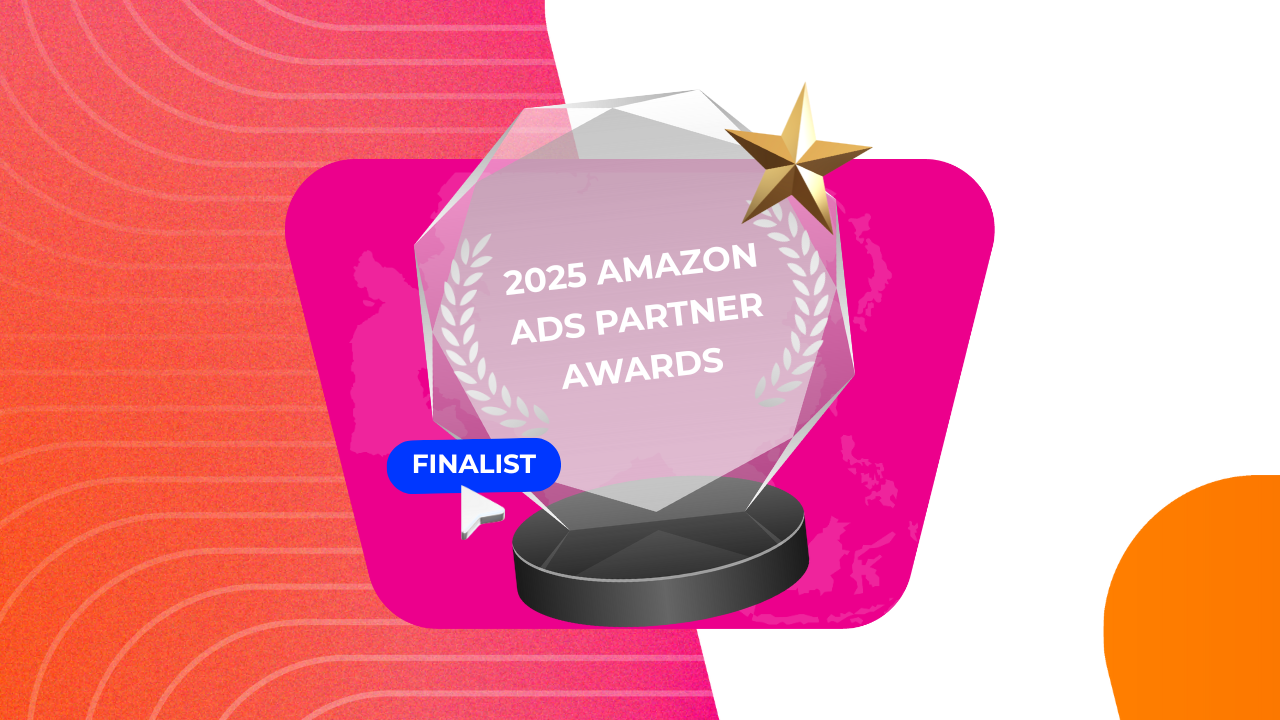
The results are in! Podean has officially been announced as a finalist in the Full Funnel Advertising APAC category of the 2025 Amazon Ads Partner...

What does the future of car retailing look like, and what role could Amazon play?
As businesses grow and scale, the inevitable dilemma arises: do you hire additional full-time staff or do you partner with an agency? Here’s a look...